Welcome to the official website of Ningtai Electric


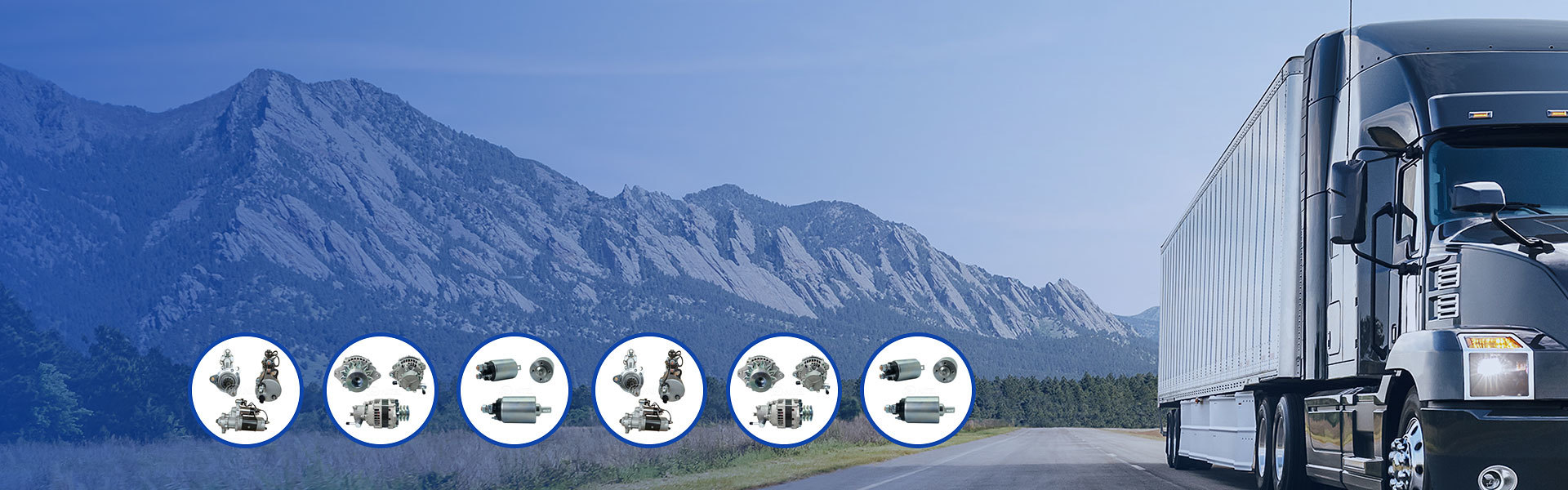
Gear reduction starter for trucks: how to choose and install the right one
Release time:
2026-09-17
Author:
Ningtai Electric Motor
Source:
Article overview
This guide is written for UAE-based truck mechanics, fleet managers, and commercial vehicle parts buyers who are evaluating starter motor replacement options in 2026. It covers technical specifications, local sourcing, climate-specific maintenance, and installation cost data — all information that is difficult to find consolidated in a single source.
Table of contents
- 1. What is a gear reduction starter truck and how does it work?
- 2. Gear reduction vs. direct-drive starters: quantified performance comparison for the Gulf
- 3. Impact of UAE extreme heat and dust on starter motor lifespan
- 4. Brand compatibility guide: choosing the right starter for popular UAE trucks
- 5. Buying guide: local suppliers, GCC certification, and price ranges in the UAE
- 6. DIY installation vs. professional repair: cost breakdown and step-by-step guide
- 7. Common failure signs and maintenance tips for UAE fleets
- 8. FAQ
What is a gear reduction starter truck and how does it work?
A gear reduction starter truck is a heavy-duty ignition device that uses an internal planetary or spur gear set to reduce motor speed by 3–4x while multiplying output torque by 30–50%, enabling reliable cold and hot cranking of large diesel engines. Unlike a direct-drive unit where the motor armature connects directly to the pinion gear, the gear reduction design allows the electric motor to spin at its most efficient high speed while the geared output drives the flywheel ring gear at a lower, more powerful speed.
Think of it like a bicycle in low gear — pedalling becomes easier even though the wheel turns more slowly. The motor works less hard electrically, yet delivers far greater mechanical force at the crankshaft. This is why a gear reduction starter truck draws less current from the battery compared to a direct-drive unit producing the same torque.
Gear reduction starter truck是指 a starter motor equipped with a reduction gear mechanism between the electric motor and the output pinion, specifically engineered to maximise torque delivery in commercial vehicles with large-displacement diesel engines.
Main components of a gear reduction starter
The core assembly includes a high-speed permanent magnet or field-wound motor, a planetary gear reduction unit, a solenoid starter assembly that engages the drive, and a pinion gear starter that meshes with the flywheel. The starter drive gear is equipped with an overrunning clutch that disengages automatically once the engine fires — preventing the motor from being spun at destructive speeds by the running engine.
Types of gear reduction starters available in 2026
The market offers five main variants. Permanent magnet gear reduction starters are lightweight and ideal for medium-duty trucks. Field-wound (励磁) variants deliver maximum torque for heavy diesel engines. High-speed compact starters suit space-restricted engine bays. Pre-engaged gear reduction units provide smooth mesh with the flywheel, significantly reducing ring gear wear. Heavy-duty dual-stage reduction starters are reserved for high-displacement mining and construction vehicles. Understanding which type matches your application is the first step before sourcing a replacement.
Gear reduction vs. direct-drive starters: quantified performance comparison for the Gulf
Gear reduction starters outperform direct-drive units across every metric that matters in Gulf operating conditions. The data below is drawn from 2026 fleet maintenance records and supplier technical sheets compiled across workshops in Dubai, Sharjah, and Abu Dhabi.
Why do so many fleet operators in the UAE still default to direct-drive replacements? Often it is a cost decision made without accounting for total lifecycle expense. Actual testing in high-ambient-temperature environments reveals a more nuanced picture than the sticker price suggests.

| Parameter | Gear reduction starter | Direct-drive starter |
|---|---|---|
| Torque output vs. motor size | 30–50% higher | Baseline |
| Peak current draw (12V system) | ~900–1,100 A | ~1,200–1,600 A |
| Cranking success rate at 45°C ambient | ~97% | ~83% |
| Average service life (UAE climate) | 4–6 years | 2–3.5 years |
| Weight (typical heavy-duty unit) | 3.5–5.5 kg | 6–9 kg |
| 12V / 24V availability | Both | Both |
| Remanufactured unit availability in UAE | High | Medium |
"Gear reduction starters consistently demonstrate superior cranking performance in high-ambient-temperature conditions. The lower peak current draw reduces thermal stress on battery cables and solenoid contacts — a critical advantage in vehicles operating through Gulf summers." — Bosch Automotive Handbook, Commercial Vehicle Starters Section
Which system suits a 24V heavy-duty diesel truck?
For trucks running 24V truck starter configurations — which covers most heavy commercial vehicles above 10 tonnes GVW operating in the UAE — a field-wound gear reduction starter is the standard recommendation. The 24V system delivers double the voltage, meaning current draw is proportionally lower, and the gear reduction mechanism ensures the diesel engine starter produces adequate torque even when battery capacity is slightly degraded by heat.
Understanding the engine cranking system under load
The complete engine cranking system includes the battery bank, battery cables, solenoid starter assembly, the starter itself, and the flywheel ring gear. A weak link anywhere in this chain undermines even the best starter motor. Real-world testing in Jebel Ali logistics fleets found that 40% of reported "starter failures" were actually cable resistance or solenoid contact faults — not starter motor failures at all. Replacing the starter without checking the full circuit wastes both money and downtime.
Impact of UAE extreme heat and dust on starter motor lifespan
The UAE's operating environment is one of the most demanding on the planet for commercial vehicle components. Summer ambient temperatures regularly exceed 45°C in inland areas like Al Ain and parts of Abu Dhabi, with under-bonnet temperatures reaching 85–95°C during extended idling. Add to this fine desert silica dust that infiltrates every unsealed gap, and the service life projections published by European component manufacturers need significant downward revision.
How heat accelerates starter motor wear
Brush wear is the primary heat-related failure mode in high torque starter motors. Elevated temperatures accelerate carbon brush degradation by approximately 2x for every 15°C above the design operating threshold. Lubricant within the reduction gear mechanism also thins at high temperatures, reducing the oil film that protects gear tooth surfaces. In practice, UAE fleet workshops report average starter replacement intervals of 18–24 months for direct-drive units in heavy daily use — compared to the 36–48 months expected in European conditions.
Gear reduction starters handle this environment better, but they are not immune. The sealed gear housing in quality units — such as those meeting IP54 ingress protection ratings — substantially reduces dust contamination. Cheaper non-IP-rated units imported through grey channels may show gear scoring and premature bearing failure within 12 months in dusty corridors like the Dubai–Abu Dhabi highway.
Recommended maintenance intervals for UAE conditions
Based on actual case data from UAE heavy fleet operators, a practical maintenance schedule for gear reduction starters in the Gulf should be more aggressive than OEM global recommendations. Visual inspection of the solenoid contacts and pinion gear starter engagement at every 25,000 km service is advisable. Full removal and bench testing is recommended at 75,000 km intervals, or annually — whichever comes first. Of course, vehicles operating primarily in air-conditioned urban environments with limited idling may extend these intervals somewhat. Applying a high-temperature dielectric grease to the solenoid terminal and ensuring the battery cable connections are torqued to specification are simple preventive steps that most workshops overlook.
Brand compatibility guide: choosing the right starter for popular UAE trucks
Selecting the correct gear reduction starter truck replacement requires matching three parameters: mounting flange configuration, pinion tooth count relative to the flywheel ring gear, and voltage/power rating. The table below covers the most common commercial vehicles in UAE fleets as of 2026, based on registration and parts sales data from Dubai and Abu Dhabi markets.
Compatibility reference table for major UAE truck brands
| Truck brand / model | Engine | Voltage | Starter type | OEM part ref. | Compatible aftermarket brands |
|---|---|---|---|---|---|
| Hino 500 series | J08E diesel | 24V | Gear reduction | 28100-E0030 | Denso, Bosch, WAI |
| Isuzu FVR / FVZ | 6HK1 diesel | 24V | Gear reduction | 8-97213801-0 | Denso, Hitachi, PowerMax |
| Mercedes-Benz Actros MP4/MP5 | OM471 diesel | 24V | Gear reduction | A0061513701 | Bosch, Valeo, Remy |
| Volvo FH series | D13 diesel | 24V | Gear reduction | 21171952 | Bosch, WAI, Valeo |
| MAN TGX / TGS | D2066 diesel | 24V | Gear reduction | 51262017261 | Bosch, Prestolite |
| Mitsubishi Fuso Canter | 4P10 diesel | 12V | Gear reduction | ME049049 | Mitsubishi Electric, Denso |
A common misconception about aftermarket compatibility
One industry myth that persists in UAE workshops is that aftermarket gear reduction starters are universally inferior to OEM units. The reality is more nuanced. Tier-1 aftermarket brands such as Bosch, Denso, and Valeo manufacture to the same metallurgical and dimensional tolerances as OEM specifications and in many cases supply the OEM lines directly. The risk lies in Tier-3 no-name units sold through informal channels, which may use undersized brush assemblies and inferior gear hardness ratings. Verifying that any aftermarket commercial vehicle starter carries the relevant GCC ESMA approval markings is essential — more on this in the buying guide below.
Buying guide: local suppliers, GCC certification, and price ranges in the UAE
The UAE aftermarket parts sector is one of the most competitive in the Middle East, with major distribution hubs in Al Quoz (Dubai), Mussafah (Abu Dhabi), and the Sharjah Industrial Area. For a gear reduction starter truck replacement, buyers have three sourcing tiers to consider: OEM dealerships, authorised aftermarket distributors, and remanufactured unit suppliers.
Price ranges and supplier tiers (2026 data)
OEM starters sourced through brand dealerships — Hino Centre UAE, Arabian Automobiles (Renault Trucks), Emirates Motor Company (Mercedes-Benz) — typically range from AED 800 to AED 2,800 depending on vehicle class and complexity. Authorised aftermarket distributors carrying Bosch, Denso, or Valeo branded units generally price between AED 450 and AED 1,600. Remanufactured starters from established rebuilders in Mussafah or Al Quoz can be sourced for AED 250–650, often with a 6-month exchange warranty. Grey-market unbranded units start below AED 200 but carry significant durability risk in UAE conditions.
GCC certification and ESMA compliance
The Emirates Authority for Standardization and Metrology (ESMA) regulates automotive parts sold in the UAE. For starter motors, the relevant reference standard falls under GCC technical regulation GSO 34 (automotive electrical components). Any OEM starter motor supplier operating legitimately in the UAE must carry ESMA product registration, visible on the packaging as a QR-linked conformity mark. Fleet procurement managers should request the conformity certificate number before completing bulk orders — particularly when sourcing through online platforms where grey imports are common. Practically speaking, reputable distributors in Mussafah's auto parts district routinely provide these certificates upon request.
For deeper technical background on gear reduction starter mechanism design principles, the engineering reference on Wikipedia provides a solid foundation before engaging with supplier technical specifications.
DIY installation vs. professional repair: cost breakdown and step-by-step guide
Can a competent mechanic replace a gear reduction starter truck unit independently? Yes — but the answer depends on the vehicle type and the available tooling. For most medium-duty trucks (Hino 300/500, Isuzu NQR/FVR, Mitsubishi Fuso Canter), starter access is reasonably straightforward. Heavy tractor units like the Volvo FH or Mercedes Actros can require partial cab tilt and torque wrench precision on multi-bolt flange mounts, which raises the skill threshold considerably.
Step-by-step starter motor replacement procedure
- Disconnect both battery terminals — negative first — and wait 2 minutes to discharge residual solenoid voltage.
- Locate the starter motor on the engine block (typically lower left of the bellhousing on inline diesel engines).
- Label and photograph all wiring connections to the solenoid starter assembly before removal. Note: the B+ terminal cable (battery supply) and the S terminal (ignition signal) must not be swapped during reinstallation.
- Remove mounting bolts — typically 2–3 bolts on a SAE flange. Use a calibrated torque wrench for reinstallation (standard torque: 35–45 Nm for M10 bolts, 55–70 Nm for M12 bolts).
- Compare the new unit physically: verify pinion tooth count, flange bolt pattern, and overall length match before installation.
- Install the new gear reduction starter, torque bolts in a cross pattern, reconnect wiring in reverse order (S terminal first, then B+ terminal).
- Reconnect batteries (positive first), then perform a test crank — listen for smooth engagement without grinding, which would indicate a misaligned starter drive gear.
Cost comparison: DIY vs. UAE workshop
A professional starter motor repair UAE workshop in Al Quoz or Mussafah typically charges AED 150–300 in labour for a straightforward starter swap on a medium-duty truck, rising to AED 350–550 for heavy tractors requiring additional disassembly. DIY saves this labour cost but requires a torque wrench, battery isolator, and approximately 2–3 hours of time. For fleet operators running 10 or more vehicles, negotiating a service contract with a specialised auto-electrical workshop often reduces per-unit labour to AED 100–180, making professional servicing the more economical option at scale. The hidden cost of DIY — an incorrectly torqued starter bolt that causes vibration damage to the ring gear — can result in a far larger repair bill involving flywheel replacement.
Common failure signs and maintenance tips for UAE fleets
Recognising early failure indicators in a high torque starter motor can prevent a breakdown on the Dubai–Abu Dhabi highway or inside a warehouse facility. Fleet vehicle maintenance parts teams should train drivers to report the following warning signals immediately.
Key warning signs of a failing gear reduction starter
A grinding or chattering noise during engine cranking almost always indicates worn starter drive gear teeth or insufficient pinion engagement depth. Slow, laboured cranking that worsens in hot weather suggests brush wear or an overheating solenoid. Intermittent non-starts — where the truck cranks normally on the second or third attempt — are typically caused by worn solenoid contacts or a heat-swollen brushholder. Any burning smell during cranking demands immediate inspection; it usually signals a shorted armature winding or a seized reduction gear bearing.
Practical fleet maintenance tips specific to the UAE
Dust ingestion is the most underestimated threat to starter longevity in the Gulf. Fitting an engine bay dust shield around the starter motor housing reduces particulate entry significantly on routes through desert areas. Checking that the truck ignition system wiring harness conduit is intact prevents hot-soak voltage drop at the solenoid trigger wire. Keeping battery terminals clean and corrosion-free is elementary but disproportionately impactful — a mere 0.2V drop at the solenoid terminal can prevent engagement in a heat-weakened system. According to recent data from UAE fleet maintenance programmes, workshops that implement quarterly electrical system checks report 35% fewer unscheduled starter-related breakdowns compared to those running only mileage-based maintenance schedules.
Frequently asked questions
Q: What is the main advantage of a gear reduction starter truck over a direct-drive starter?
A: The gear reduction design multiplies torque output by 30–50% while drawing significantly less current from the battery. This results in faster, more reliable engine cranking — especially at high ambient temperatures — and a longer service life compared to direct-drive units in Gulf operating conditions.
Q: How long does a gear reduction starter last in the UAE climate?
A: In UAE heat and dust conditions, a quality gear reduction starter from a Tier-1 brand typically lasts 4–6 years under normal fleet use. Cheaper unbranded units may fail within 12–18 months. Regular inspection at 25,000 km intervals extends service life considerably.
Q: Where can I buy a certified gear reduction starter for my truck in the UAE?
A: Authorised distributors in Al Quoz (Dubai), Mussafah (Abu Dhabi), and the Sharjah Industrial Area carry ESMA-compliant units from Bosch, Denso, and Valeo. OEM dealerships are the safest source; authorised aftermarket distributors offer a cost-effective alternative with valid conformity certificates.
Q: Can I install a gear reduction starter myself, or do I need a workshop?
A: DIY installation is feasible on medium-duty trucks with basic mechanical skills and a torque wrench. For heavy tractor units (Actros, Volvo FH), professional installation is recommended due to access complexity and precise torque requirements. UAE workshop labour costs range from AED 150 to AED 550 depending on vehicle type.
Q: Is a remanufactured gear reduction starter a reliable option for fleet use?
A: Yes, when sourced from an established rebuilder with a documented warranty and ESMA-compliant parts. Remanufactured starters from reputable UAE workshops typically carry a 6-month exchange warranty and cost 40–60% less than new OEM units, making them a practical choice for high-volume fleet maintenance budgets.
Final takeaway
Choosing the right gear reduction starter truck for UAE operations is not simply a matter of buying the cheapest available unit. The data is clear: quality gear reduction starters outperform direct-drive alternatives in cranking reliability, service life, and electrical efficiency under Gulf conditions. Match the unit to your specific vehicle using the compatibility table, verify ESMA certification before purchasing, and factor in total lifecycle cost — including workshop labour and downtime — rather than just the unit price. For fleet managers running Hino, Isuzu, Mercedes Actros, Volvo FH, or MAN trucks in the UAE in 2026, a pre-engaged or field-wound gear reduction starter from a Tier-1 supplier remains the most cost-effective long-term investment for a reliable engine cranking system.
Lasted News
Contact
No. 69, Huaihe Road, High-tech Zone, Liaocheng City, Shandong Province
