Welcome to the official website of Ningtai Electric


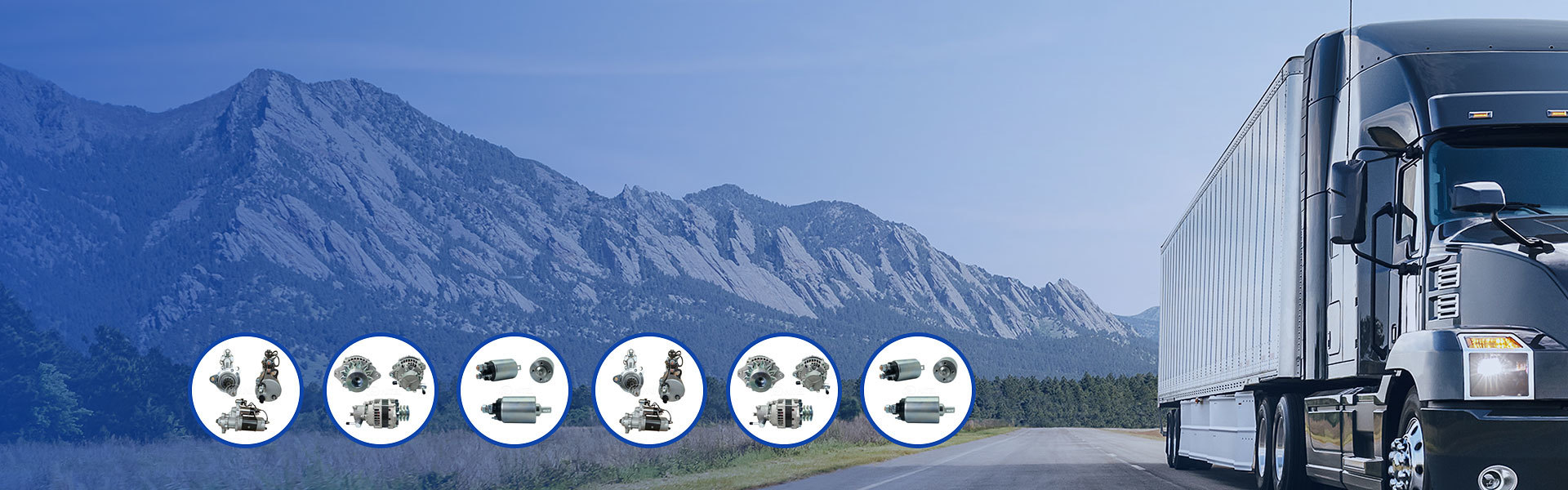
Engine Starter: The Essential Component Powering Reliable Engine Ignition
Release time:
2026-04-03
source:
The engine starter, commonly known as the starter motor, is a crucial component in internal combustion engine systems. It is responsible for initiating the engine’s operation by converting electrical energy from the battery into mechanical motion. This process allows the engine to begin its combustion cycle and operate independently. Without a properly functioning engine starter, vehicles and machinery would not be able to start efficiently, making it a fundamental element in automotive and industrial applications.
An engine starter works through a coordinated system of electrical and mechanical components. When the ignition switch is activated, electrical current flows from the battery to the starter motor through a solenoid. The solenoid acts as both a switch and an actuator, engaging the starter gear (pinion) with the engine’s flywheel. As the motor spins, it turns the flywheel, which in turn rotates the engine’s crankshaft. This rotation initiates the intake, compression, combustion, and exhaust cycles necessary for engine operation. Once the engine starts running, the starter automatically disengages to prevent damage.
Modern engine starters are designed to deliver high torque in a short burst of time. This is essential because the starter must overcome the initial resistance of engine components and compression forces. To achieve this, starter motors are typically powered by direct current (DC) and constructed with robust materials capable of handling high electrical loads and mechanical stress. Advances in engineering have led to more compact, lightweight, and efficient designs, improving overall vehicle performance and fuel efficiency.
Engine starters are widely used in a variety of applications, including passenger vehicles, commercial trucks, motorcycles, agricultural machinery, construction equipment, and marine engines. In each of these applications, the reliability of the starter is critical to ensuring smooth operation. For example, in commercial transportation, a dependable starter motor reduces downtime and enhances operational efficiency. In agricultural and construction environments, it ensures that heavy machinery can be started quickly under demanding conditions.
One of the significant developments in engine starter technology is the introduction of gear reduction starters. These starters use a set of gears to increase torque output while reducing the size and weight of the motor. This innovation allows for improved efficiency and better performance, especially in modern vehicles where space and energy efficiency are important considerations. Gear reduction starters are now widely adopted in both automotive and industrial applications.
Another advancement is the integration of start-stop systems in modern vehicles. These systems automatically shut off the engine when the vehicle is idle and restart it when needed, reducing fuel consumption and emissions. Engine starters used in such systems are designed for frequent operation and must be highly durable and responsive. Enhanced materials and improved design techniques ensure that these starters can handle repeated cycles without significant wear.
Maintenance and durability are important factors in the performance of engine starters. Regular inspection of electrical connections, battery condition, and starter components can help prevent issues such as slow cranking or failure to start. Common signs of starter problems include unusual noises, intermittent starting, or complete failure to engage. Addressing these issues promptly can extend the lifespan of the starter and prevent further damage to the engine system.
In addition to performance, energy efficiency is becoming an increasingly important consideration. Manufacturers are focusing on reducing power consumption while maintaining high torque output. This is particularly relevant in hybrid and electric-assisted vehicles, where efficient energy use is critical. Improved motor designs, better materials, and optimized electrical systems contribute to enhanced efficiency and reduced environmental impact.
The global market for engine starters continues to grow as demand for vehicles and machinery increases. Emerging markets, in particular, are experiencing rapid growth in automotive and industrial sectors, driving the need for reliable engine components. At the same time, advancements in technology are pushing the development of smarter and more efficient starter systems, aligning with broader trends in automation and intelligent mobility.
Looking ahead, engine starter technology is expected to evolve further with the integration of digital control systems and advanced diagnostics. These innovations will allow for better monitoring of starter performance, early detection of faults, and improved maintenance strategies. As vehicles become more connected and automated, the role of the engine starter will continue to adapt to new requirements and technologies.
In conclusion, the engine starter is an indispensable component that ensures the reliable ignition and operation of internal combustion engines. Its ability to deliver high torque, operate efficiently, and withstand demanding conditions makes it a key part of modern vehicles and machinery. With ongoing advancements in design and technology, engine starters will continue to support the evolution of automotive and industrial systems, contributing to improved performance, efficiency, and reliability.
Lasted News
Ningtai Electric: Analysis of the Working Characteristics of Reduction Starters
To help users better understand the technical advantages of reduction starters, Ningtai Electric Co., Ltd. is pleased to share an analysis of the core working characteristics of reduction starters. A reduction starter is a new type of starting device that incorporates a gear reduction unit into a conventional starter. Its basic working principle is as follows: a high-speed, low-torque DC motor is used, and the reduction mechanism reduces the output speed while increasing the output torque, thereby meeting the high torque requirements for engine starting.
Engine Starter: The Essential Component Powering Reliable Engine Ignition
Advanced engine starter spots offer high torque output, fast ignition response, and reliable performance for automotive and industrial applications
Why the Newest Generator is a Game Changer in Energy Solutions
Why the Newest Generator is a Game Changer in Energy Solutions Table of Contents 1. Introduction to the Newest Generator Technology 2. What is a Generator and How Does It Work? 3. The Evolution of Generators: From Conventional to Cutting-Edge 4. The Benefits of New Generators in Energy Solutions 5. Applications of the Latest Generators Across Industries 6. Environmenta
Understanding Affordable Electric Generators: A Comprehensive Guide for Professionals
Electric generators play a pivotal role in the automotive industry, particularly in the realm of car electronics. A cheap electric generator can serve various purposes, from providing backup power to supporting electronic systems in vehicles. Understanding the functionalities and advantages of these generators is essential for professionals in the automotive sector. First, it is crucial to note th
How often should a car starter motor be replaced? Unveiling the "lifespan code" behind it.
As a professional starter motor manufacturer, we deeply understand that this seemingly insignificant component is crucial to the safety of every journey. During the production process, we rigorously control the durability testing of the electromagnetic switch and the dynamic balancing precision of the motor, so that when faced with the question "How often should I replace my starter motor?", every user can confidently answer: "It'll last until my car is totaled." Friendly reminder: If your vehicle has exceeded 80,000 kilometers and has never had its starter motor system checked, we recommend having a professional technician perform a condition check during your routine maintenance.
High-Power Engines Explained: What Makes Them the Best Choice?
High-Power Engines Explained: What Makes Them the Best Choice? Table of Contents 1. Introduction to High-Power Engines 2. What Are High-Power Engines? 3. Key Features of High-Power Engines 4. Advantages of High-Power Engines 5. Applications of High-Power Engines 6. Technology Behind High-Power Engines 7. Maintenance and Reliability of High-Power Engines 8. The Futu
Contact
No. 69, Huaihe Road, High-tech Zone, Liaocheng City, Shandong Province
