Welcome to the official website of Ningtai Electric


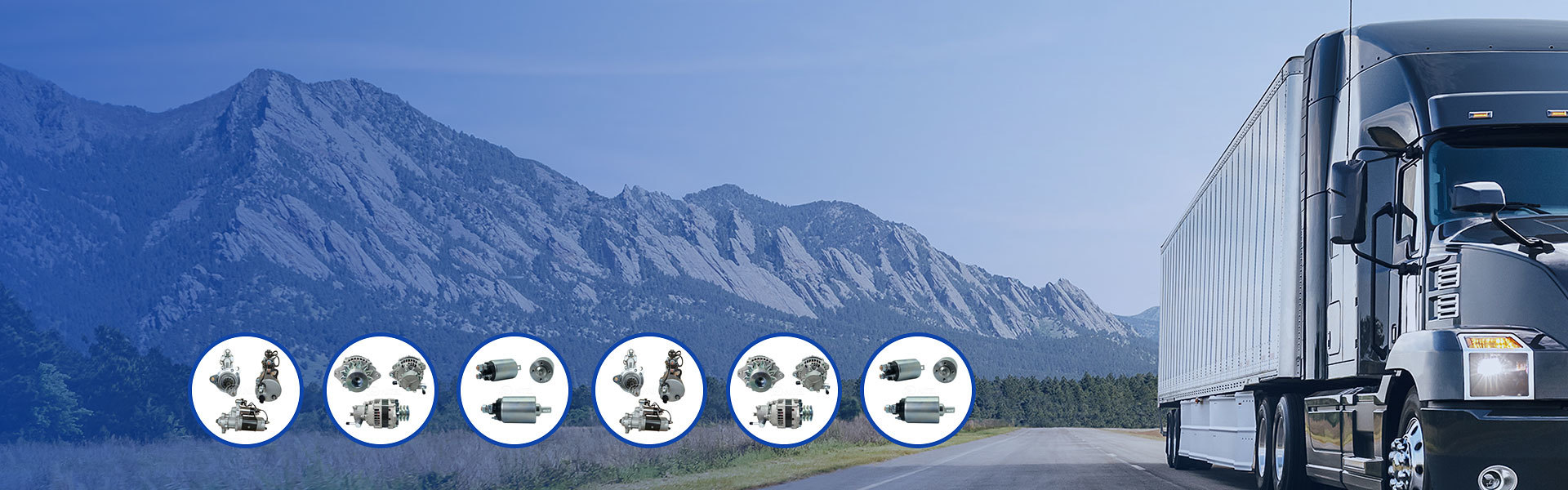
The Heart of Heavy Haulers: Understanding the Starter Motor for Trucks and Buses
Release time:
2025-09-30
Author:
Source:
Introduction: The Unsung Hero
Ever wonder what kicks your truck or bus into gear? Yup, the starter motor for trucks and buses is the powerhouse behind that initial spark! Without it, those heavy machines would just sit idle, dreaming of the open road. Let's dive into the nitty-gritty of this essential component and see why it deserves a spot in the limelight.
What Exactly Is a Starter Motor?
A starter motor is a small yet mighty electric motor that cranks the engine to life. When you turn the ignition key, it gets power and engages the flywheel, which then sets the engine in motion. Think of it as the cheerleader for your vehicle's engine, rallying it awake from its slumber!
How Does It Work?
So, how does this little dynamo pull off such a big feat? Well, it all starts with electricity. When you turn the key, electricity flows from the battery to the starter motor. The motor then engages with the flywheel, spinning it and ultimately starting the engine. Simple, right? But, like any good team, it's got to work seamlessly with other parts.
Components of a Starter Motor
- Solenoid: This is like the gatekeeper. It controls the flow of electricity to the starter motor.
- Armature: This is the part that spins, creating the motion needed to crank the engine.
- Field Windings: These generate a magnetic field that helps the armature spin.
Why Is It Important for Trucks and Buses?
Trucks and buses are heavyweights in the vehicle world. They're built to carry loads, but all that weight can make starting them a challenge. That's where the starter motor for trucks and buses comes into play. It provides the necessary torque to get these behemoths rolling, ensuring they can haul their cargo without a hitch.
Common Issues with Starter Motors
Like any mechanical part, starter motors aren't immune to problems. Here are a few common issues:
- Electrical Failures: Worn out solenoids or bad connections can cause starting issues.
- Overheating: Frequent starting can lead to overheating, damaging the motor.
- Wear and Tear: Just like us, starter motors wear out over time and may need replacement.
Tips for Maintenance
You don't want to be stuck on the side of the road, right? Here are some tips to keep your starter motor in tip-top shape:
- Regularly check the battery health.
- Inspect wiring for any signs of wear.
- Don't ignore any odd noises when starting your vehicle.
Conclusion: Keeping the Wheels Turning
In the grand scheme of vehicle mechanics, the starter motor for trucks and buses may not get the credit it deserves, but it's crucial for performance. So, the next time you hop into a truck or bus, give a nod to that little motor that's working hard behind the scenes. After all, it's the reason you can hit the road without a second thought!
Lasted News
Starter motor gear reduction vs direct drive for diesel engines: compared
Comparing gear reduction vs direct drive diesel engine starter motors: torque output, compatibility, voltage specs, fault diagnosis, and which type suits your application in 2026.
Why your diesel engine alternator is not charging the battery
Is your diesel engine alternator failing to charge the battery? This expert guide covers the top causes, step-by-step diagnostics, OEM cross-reference data, and replacement tips for truck, marine, and genset applications.
How to extend alternator lifespan on heavy mining equipment
Learn how to extend the lifespan of your mining truck alternator with expert maintenance strategies, OEM vs aftermarket comparisons, fault diagnosis, and real case data from heavy mining equipment operations.
How ambient temperature affects off highway truck alternator performance
Learn how ambient temperature affects off highway truck alternator performance. Covers heat stress, cold weather output, selection tables by model, and troubleshooting tips for mining and construction fleets.
Contact
No. 69, Huaihe Road, High-tech Zone, Liaocheng City, Shandong Province
