Welcome to the official website of Ningtai Electric


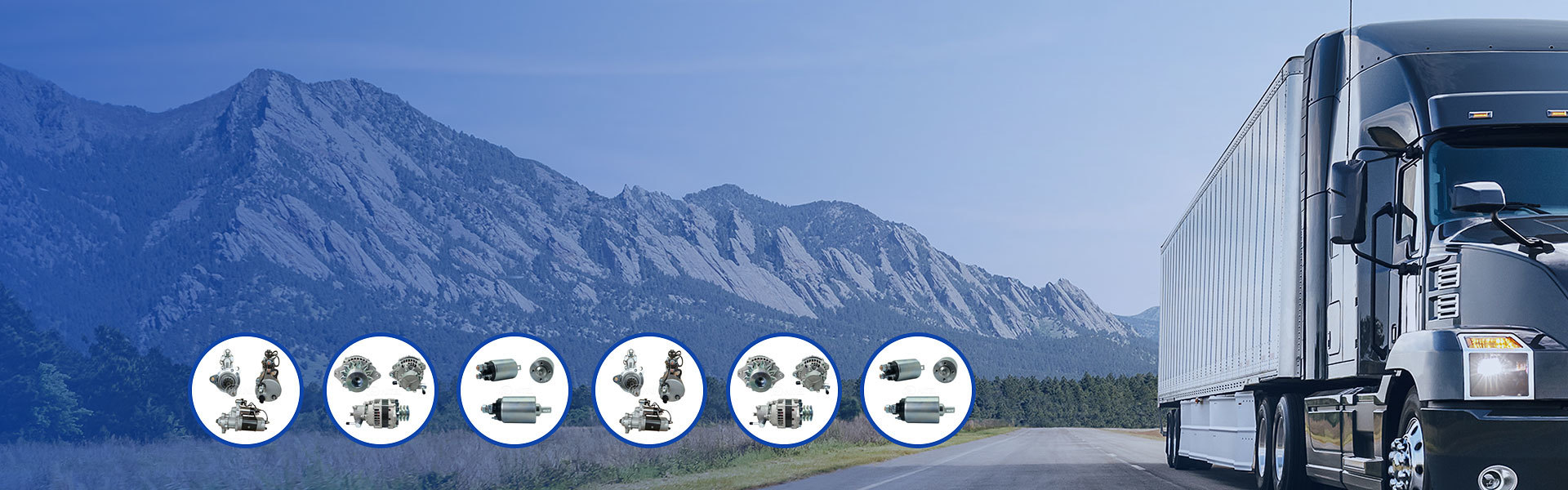
Electric Generators: Powering the Future of Automotive Accessories
Release time:
2025-08-12
Author:
Source:
Electric Generators: Powering the Future of Automotive Accessories
As we move towards a more sustainable future, the automotive industry is undergoing a transformation, with electric generators playing a pivotal role in this shift. From optimizing vehicle performance to ensuring power availability for various automotive accessories, electric generators are becoming essential components in modern vehicles. In this article, we will explore the significance of electric generators in the automotive sector, the different types available, their applications, and the benefits they offer.
Table of Contents
- Understanding Electric Generators in Automotive
- Types of Electric Generators for Vehicles
- Applications of Electric Generators in Automotive Accessories
- Benefits of Using Electric Generators in Vehicles
- Electric Generators and Sustainability
- Maintenance of Electric Generators
- Future Trends in Automotive Electric Generators
- Frequently Asked Questions
- Conclusion
Understanding Electric Generators in Automotive
Electric generators in automotive applications are devices that convert mechanical energy into electrical energy. They play a critical role in powering various vehicle systems, ensuring optimal performance and reliability. The primary function of these generators is to recharge the vehicle's battery and supply electrical power to essential components such as the ignition system, lights, and onboard electronics.
With advancements in technology, modern electric generators have become more efficient, compact, and lightweight, making them ideal for today's vehicles. Understanding how these generators work and their role in automotive performance is essential for both manufacturers and consumers.
Types of Electric Generators for Vehicles
There are several types of electric generators used in vehicles, each designed to meet specific needs and requirements. The most common types include:
1. Alternators
Alternators are the most widely used electric generators in modern vehicles. They convert mechanical energy from the engine into alternating current (AC) and are responsible for recharging the car's battery while the engine is running. With their ability to produce electricity at various engine speeds, alternators are highly efficient and reliable.
2. DC Generators
Direct current (DC) generators are less common in contemporary vehicles but are still used in certain applications. These generators produce DC electricity and are typically found in older models or specialized vehicles. Their simplicity and ease of maintenance make them a viable option for specific use cases.
3. Brushless Generators
Brushless generators are known for their efficiency and durability. They eliminate the need for brushes and commutators, reducing wear and tear over time. Brushless generators are ideal for vehicles that require reliable and consistent power output, such as electric and hybrid cars.
4. Inverter Generators
Inverter generators provide clean and stable power, making them suitable for sensitive electronic devices. They convert DC power into AC power and then invert it back to a clean sine wave. Inverter generators are increasingly used in automotive applications, especially in RVs and electric vehicles, due to their efficiency and versatility.
Applications of Electric Generators in Automotive Accessories
Electric generators have numerous applications within automotive accessories, enhancing functionality and user experience. Here are some key applications:
1. Powering Onboard Electronics
Modern vehicles are equipped with various electronic components, from infotainment systems to advanced driver-assistance systems (ADAS). Electric generators ensure that these systems receive the necessary power to function correctly, contributing to overall vehicle performance.
2. Charging Mobile Devices
As technology advances, the demand for charging mobile devices within vehicles has increased. Electric generators provide the power necessary to charge smartphones, tablets, and other electronic devices, ensuring that passengers stay connected on the road.
3. Supporting Auxiliary Lighting
Auxiliary lighting systems, such as off-road lights and spotlights, require a reliable power source. Electric generators supply adequate energy to these lighting systems, enhancing visibility and safety during nighttime driving or in low-light conditions.
4. Operating Heating and Cooling Systems
Automotive heating and cooling systems rely on electric generators to function effectively. Whether it's heating seats in winter or powering air conditioning in summer, these generators ensure that passengers remain comfortable throughout their journey.
Benefits of Using Electric Generators in Vehicles
The use of electric generators in vehicles comes with numerous advantages that contribute to overall performance and user satisfaction. Some key benefits include:
1. Enhanced Fuel Efficiency
Modern electric generators, particularly alternators, are designed to operate efficiently at various engine speeds. This efficiency leads to less strain on the engine, improving fuel efficiency and reducing emissions.
2. Reliability and Performance
Electric generators are crucial for providing consistent power to essential systems. Their reliability ensures that vehicles operate smoothly, reducing the risk of electrical failures that can lead to breakdowns.
3. Convenience
With the growing reliance on technology, electric generators make it convenient for passengers to charge devices, operate accessories, and enjoy a comfortable ride without worrying about power availability.
4. Eco-Friendly Options
Electric generators, particularly those used in electric and hybrid vehicles, contribute to a lower carbon footprint. By utilizing renewable energy sources, such as solar or wind power, these generators promote environmental sustainability.
Electric Generators and Sustainability
The automotive industry's shift towards electric vehicles (EVs) and hybrid models highlights the importance of sustainability. Electric generators play a critical role in this transition by providing clean energy solutions. They facilitate the use of renewable energy sources, reducing dependence on fossil fuels and minimizing greenhouse gas emissions.
Moreover, advancements in technology have led to the development of more efficient electric generators, which contribute to energy conservation and sustainability. The integration of smart systems allows for better energy management, ensuring that power is used efficiently and effectively.
Maintenance of Electric Generators
Proper maintenance of electric generators is crucial to ensure their longevity and optimal performance. Here are some essential maintenance tips:
1. Regular Inspections
Conduct regular inspections of the generator to check for signs of wear, damage, or loose connections. Early detection of issues can prevent costly repairs and downtime.
2. Cleanliness
Keep the generator clean and free from debris. Dirt and grime can hinder performance and lead to overheating, potentially causing damage.
3. Battery Maintenance
Ensure that the battery is in good condition, as it plays a crucial role in the operation of electric generators. Regularly check battery terminals for corrosion and ensure proper charging levels.
4. Professional Servicing
Consider having the generator professionally serviced periodically to ensure optimal performance. A skilled technician can identify potential issues and address them before they escalate.
Future Trends in Automotive Electric Generators
The automotive industry is continuously evolving, and electric generators are no exception. Here are some upcoming trends to watch for:
1. Increased Adoption of Renewable Energy
As the push for sustainability grows, electric generators that utilize renewable energy sources will become more prevalent. This trend will lead to a decrease in reliance on fossil fuels and a significant reduction in emissions.
2. Advancements in Battery Technology
As battery technology continues to improve, electric generators will become more efficient and capable of supporting higher power demands. This enhancement will enable the use of more advanced automotive technologies and accessories.
3. Integration with Smart Systems
The integration of electric generators with smart vehicle systems will enhance energy management. Smart systems can optimize power distribution, ensuring that each component receives the necessary energy without overloading the generator.
Frequently Asked Questions
1. What is the primary function of an electric generator in a vehicle?
The primary function of an electric generator in a vehicle is to convert mechanical energy from the engine into electrical energy, which is used to recharge the battery and power various automotive systems and accessories.
2. How do I know if my vehicle's generator is failing?
Common signs of a failing generator include dimming lights, electrical system malfunctions, unusual noises, and warning lights on the dashboard. If you experience these issues, it is essential to have the generator inspected by a professional.
3. Can electric generators be installed in older vehicles?
Yes, electric generators can be installed in older vehicles. However, it is crucial to ensure compatibility with the vehicle's existing systems and electrical components.
4. How often should I maintain my vehicle's electric generator?
Regular inspections should be conducted every six months, while professional servicing can be scheduled annually. However, if you notice any issues, it is advisable to consult a technician immediately.
5. Are electric generators eco-friendly?
Electric generators can be eco-friendly, especially those used in electric and hybrid vehicles that utilize renewable energy sources. They contribute to reducing overall emissions and promoting sustainability.
Conclusion
Electric generators are revolutionizing the automotive accessory landscape, providing essential power for modern vehicles while promoting sustainability and efficiency. As technology continues to advance, these generators will play an increasingly significant role in shaping the future of automotive performance and functionality. By understanding their importance, types, applications, and maintenance, consumers can make informed decisions that enhance their driving experience and contribute to a greener planet.
Lasted News
Contact
No. 69, Huaihe Road, High-tech Zone, Liaocheng City, Shandong Province
